










Classic Friv Games That Defined Your Childhood
The smell of a hot laptop, the click of a plastic mouse, and a desktop fan spinning through a sweltering Australian summer arvo. For many, the first encounter with browser games happened on the family computer while the cricket played in the other room. These titles loaded quickly, ran smoothly, and let kids jump straight into something colourful between cartoons on Saturday morning TV. Learn more about Blazejoguinho Conquistas Mais Raras E Como Obtê Las.
Friv-style gaming carved out a unique space in the early days of home internet, blending arcade simplicity with hand-drawn charm. Before mobile app stores became the default, browser portals offered a smorgasbord of titles anyone with a basic connection could try. For Aussie kids, those sessions often happened after school, when the heat still radiated off the concrete and there was nothing else to do until tea time.
Looking back, these classic Friv games were not just time-killers. They taught hand-eye coordination, introduced logic puzzles, and built a shared vocabulary among classmates at recess. Whether sneaking in a round during a Brisbane thunderstorm or waiting for the bus in Hobart, the experience became a small but memorable part of growing up.
The Portal That Started It All
Friv was more than a website; it was a doorway. The interface was a simple grid of tiles, each with a tiny screenshot, and almost no instructions needed. That minimalist approach made it perfect for kids who just wanted to click and play. In an era before widespread broadband, the lightweight nature of these games meant they worked on even the most basic school computer lab machines.
For Australian families, the portal became a default destination during long school holidays. Parents who did not want to deal with the cost of new console games were happy to see their children entertained for free. Many adults still remember the flash menu screens and the satisfying click that signalled a loaded game. The platform felt like a digital milk bar, a familiar corner of internet entertainment where regulars knew exactly where to find the best treats.
The magic of Friv was its unpredictability. You never quite knew what you were going to get when you clicked a new tile. Some games were polished, others were glitchy, and a few were barely translated. That sense of discovery kept kids coming back, often sharing their findings with friends the next day at the basketball courts or the local pool.
Brain Games and Logic Puzzles
Puzzle games formed the backbone of the classic Friv catalogue. Block stackers, match-three colour sorters, and physics-based brainteasers taught kids how to think several moves ahead. Many were perfect for the quiet hours after a long school day, especially during the cooler evenings of a southern Australian autumn.
What made these puzzles stand out was their accessibility. There were no lengthy tutorials or paid upgrades, the objective was clear within seconds, and the difficulty curve felt natural. For kids in regional towns, these browser puzzles were often the most sophisticated strategy games available.
The satisfaction of completing a level was immediate, with brighter colour palettes and new challenges as reward. That simple loop kept players engaged for hours, often until dinner was called and the screen became too hard to see in the dim light of the evening.
Dress-Up and Makeover Favourites
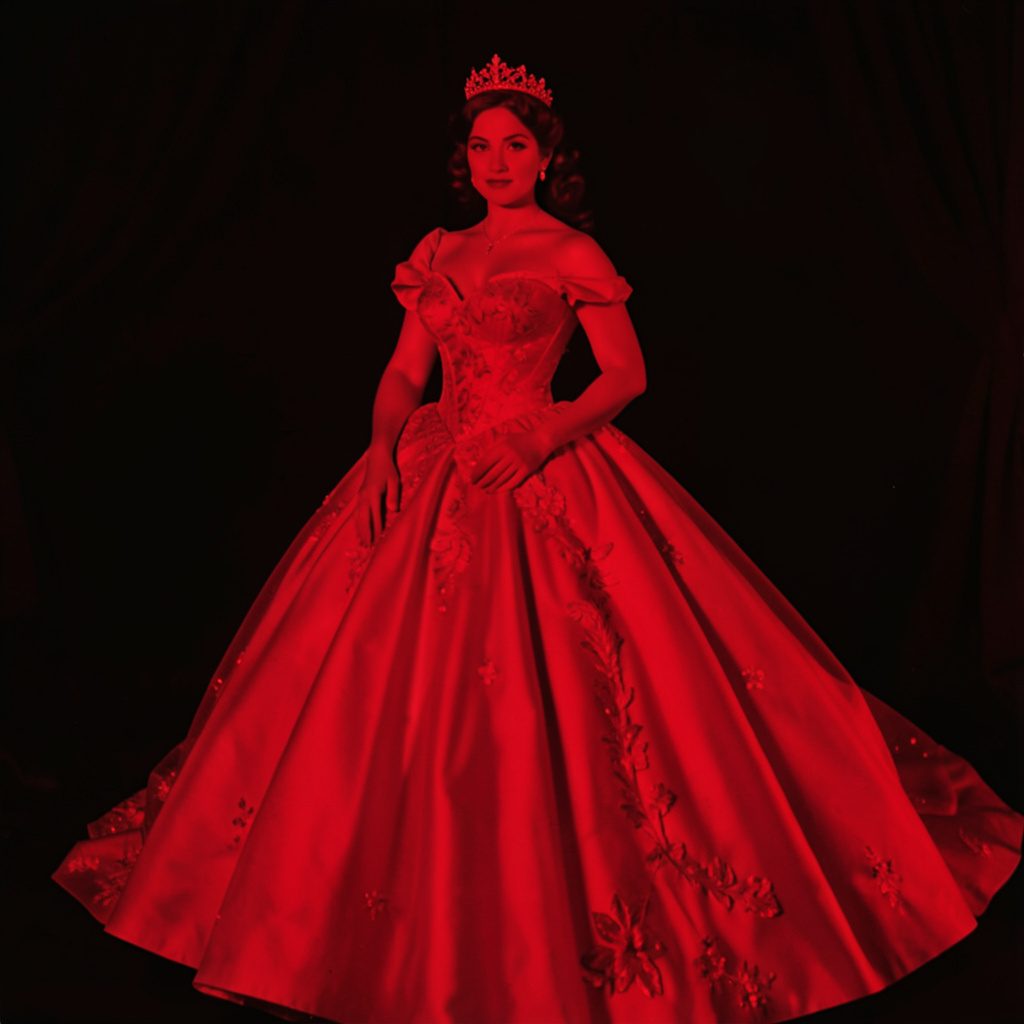
Before social media influencers took over the topic of style, dress-up games were quietly introducing kids to the basics of design. Friv hosted a wide array of makeover titles where players could change hairstyles, swap outfits, and apply virtual makeup to characters. These games were popular among primary school kids, who loved experimenting with looks they could not yet try in real life.
The appeal was not just about fashion. Many titles encouraged creativity and fine motor skills, requiring precise mouse movements to select, drag, and drop items. For young players in suburban Australia, dressing up an animated princess felt like a small act of authorship. It was a low-stakes way to explore identity, with no rules and no one to judge.
Some games introduced basic colour theory and pattern recognition, while others blended storytelling with style choices, letting kids direct their own mini-movies. The result was a generation that grew up comfortable clicking through menus and thinking visually, a skill that would later prove useful in everything from slide design to photo editing.
| Genre | Typical Length | Skill Focus | Best For | Replay Value |
|---|---|---|---|---|
| Puzzle | 5-20 minutes per level | Logic and pattern recognition | Quiet evenings and rainy days | High, due to randomised levels |
| Dress-Up | 3-10 minutes per session | Creativity and fine motor control | After school and weekends | Medium, limited by outfits |
| Action/Fighting | 2-15 minutes per round | Reflexes and timing | Quick bursts of energy | High, especially in two-player |
| Racing | 1-5 minutes per race | Hand-eye coordination | Short breaks and sleepovers | Medium, leaderboard chasing |
| Adventure | 15-45 minutes per chapter | Exploration and memory | Long summer holidays | Low to medium, story-driven |
| Children's | 5-15 minutes per activity | Basic motor and recognition | Early primary school age | Low, designed for casual play |
Action, Racing, and Fighting Hits
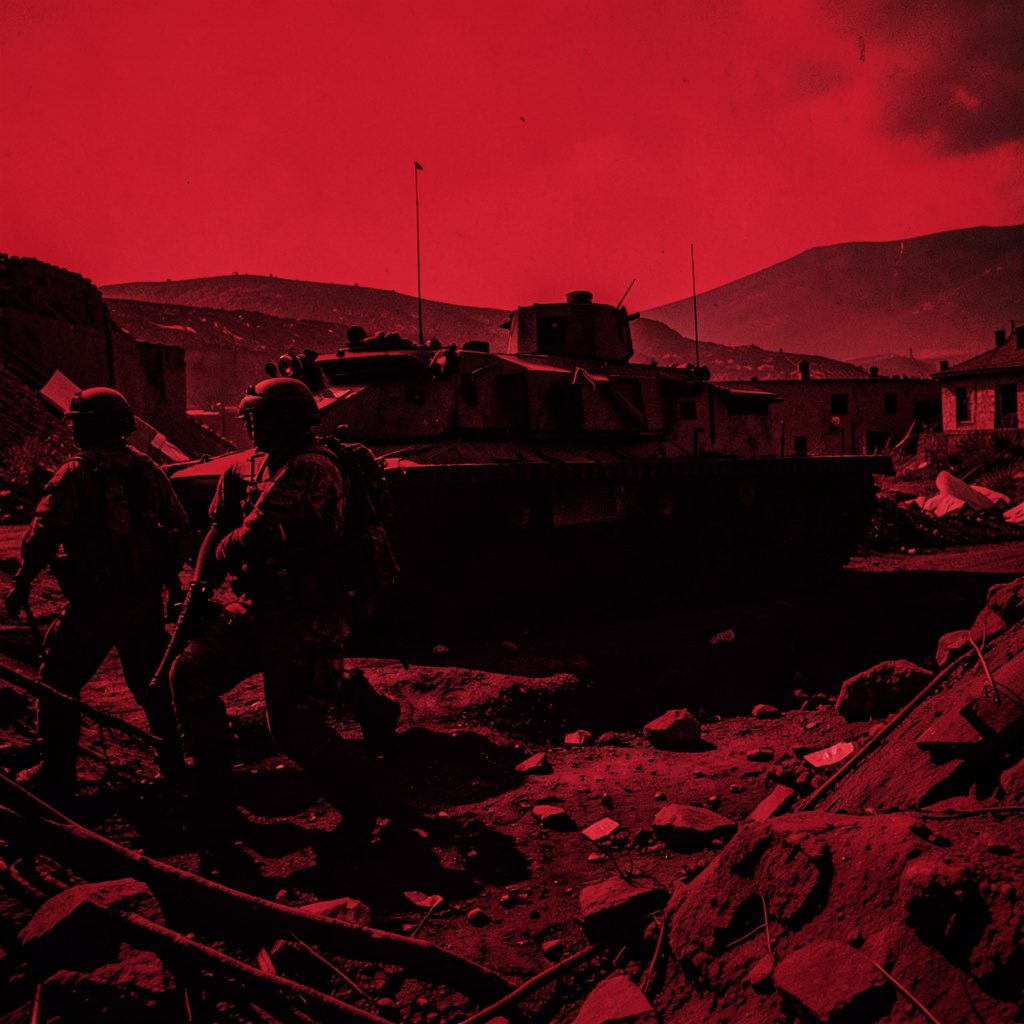
Action games brought energy and noise to the otherwise calm world of browser entertainment. Side-scrolling brawlers, platform runners, and simple fighting titles let kids blow off steam after a long day. For many Aussie players, the appeal was the immediate feedback: punch, kick, jump, and the screen reacted with satisfying bursts of colour and sound.
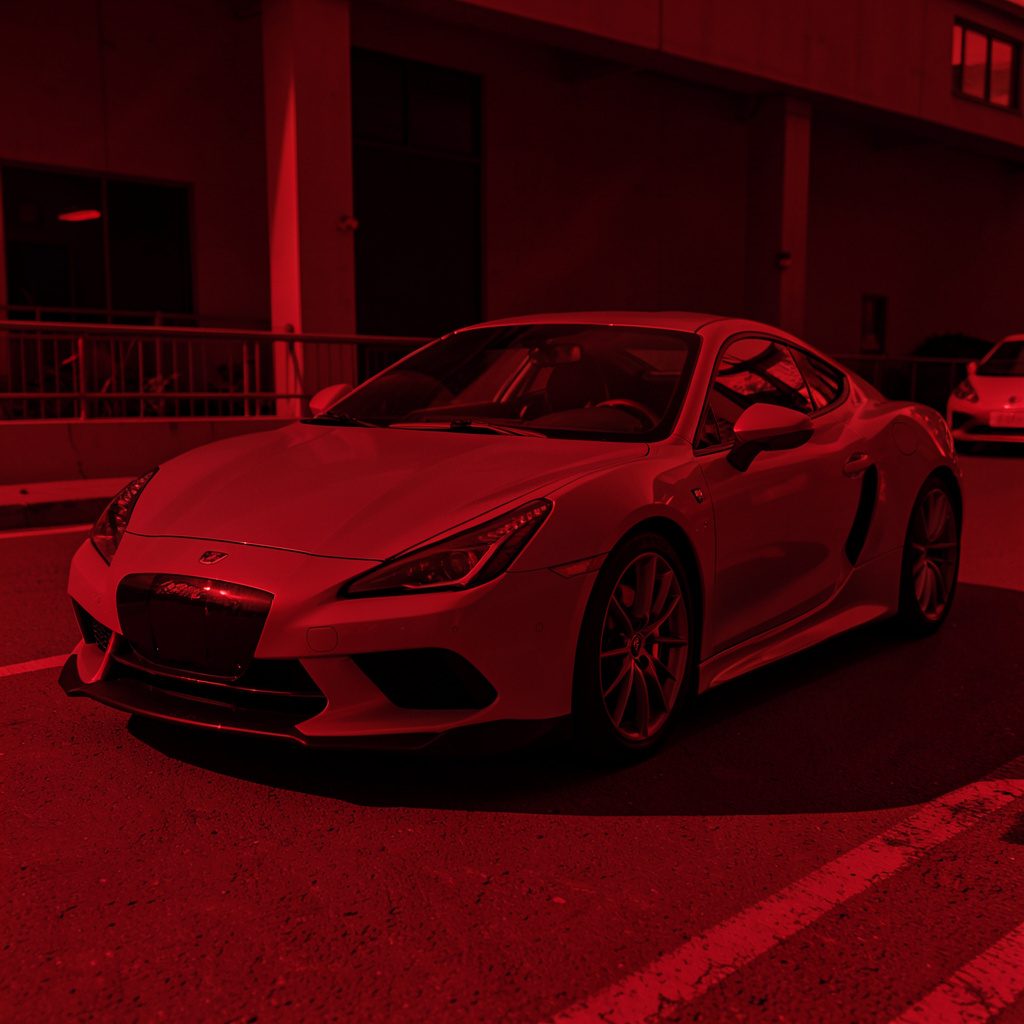
Racing games on Friv were simple but effective. Top-down kart racers, side-scrolling motorbike challenges, and endless runners with a racing twist kept thumbs busy. The physics were often basic and the AI predictable, but a full race could be completed in two minutes, perfect for short attention spans and quick play sessions.
Fighting games had a cult following. Titles featuring well-known characters from anime and cartoons gave kids a chance to pit their favourite heroes against each other. These games were often played competitively, with siblings taking turns on the same computer or friends gathering around a single screen. The shared experience of watching someone else complete a level, or fail spectacularly, became a small social ritual.
Sound, Style, and Shared Memories
The audio-visual style of classic Friv games was distinctive. Bright colours, chunky pixel art, and bouncy soundtracks combined to create a feeling that was both chaotic and welcoming. The music was often catchy, looping endlessly until you finally closed the tab. Many of these tunes are still recognisable today, instantly transporting players back to a specific time and place.
For Australian gamers, the nostalgia is tied to specific memories. Maybe it was the sound of cicadas outside while a puzzle game played in a dim bedroom. Maybe it was a thunderstorm knocking out the internet during a tense boss fight, forcing a frustrated save and exit. Or maybe it was simply playing on the family computer while the adults watched the news, a quiet rebellion in the corner of the lounge room. Those little details, anchored in local life, made the games feel like more than just entertainment.
The lasting appeal of these classic Friv games lies in their accessibility and innocence. They did not demand subscriptions, did not show pop-up ads every thirty seconds, and did not require powerful hardware. They were simple, colourful, and free, the perfect combination for a generation of kids who just wanted to have fun.
Achievements, High Scores, and Replay Value
Some of the more chaotic action titles became legendary for their difficulty. There were games where you had to memorise patterns, dodge dozens of enemies, and time jumps to the millisecond. The rare Blaze Joguinho achievements and similar unlocks became badges of honour for those who stuck with a title long enough to see its hidden content. For competitive kids, having that one extra life or secret character unlocked was worth bragging about at the school canteen the next day.
Two-player split-screen options, when available, were a godsend for siblings or friends. Even without that, kids kept a mental score of their best times and tried to beat their own records. The simplicity of the controls meant anyone could pick up and play, which made racing and arcade titles regular features of after-school gaming sessions and weekend sleepovers.
The community around these games has quietly survived. Fan sites, retro gaming forums, and YouTube channels dedicated to Friv-style content have popped up across Australia and beyond. Players who grew up with these titles are now sharing them with their own kids, creating a small but steady cycle of nostalgia that keeps the classics very much alive.
Open Friv Planet tonight, scroll through the list, and start with the first title that catches your eye.