


Five makeover games that teach fashion sense
Makeover games can be more than quick dress-up exercises. When players choose colours, compare silhouettes and build an outfit for a particular occasion, they practise the same visual decisions used in everyday styling. The format is relaxed, immediate and easy to understand, which makes it useful for younger players and anyone beginning to explore personal fashion.
On Friv Planet, these free browser games turn styling into a simple creative activity. Players can experiment with clothing, hair, accessories and colour combinations without spending money or dealing with complicated controls. For Australian families, that makes them a handy indoor option after school, during a rainy Melbourne afternoon or when a hot day in Brisbane calls for screen time inside.
| Game idea | Fashion skill developed | What players practise |
|---|---|---|
| Elsa winter makeover | Colour coordination | Combining cool shades, textures and seasonal layers |
| Baby Hazel occasion styling | Dressing for context | Matching clothes to school, parties or family events |
| Superhero makeover | Statement dressing | Balancing bold colours with practical movement |
| Red-carpet stylist | Proportion and accessories | Creating a focal point without visual clutter |
| Sustainable wardrobe challenge | Versatility and reuse | Making several looks from a small selection |
Elsa winter makeover builds colour awareness
An Elsa-themed makeover is a natural way to explore cool colour palettes. Icy blue, silver, white and lavender can create a consistent winter look, while a small amount of navy or deep purple adds contrast. Players quickly see that an outfit feels more polished when its colours relate to one another rather than appearing as random selections.
The game also introduces texture through coats, gloves, boots and sparkling accessories. A player may discover that a shiny dress needs simpler jewellery, or that a heavily patterned garment works better with plain shoes. In real life, this thinking helps with dressing for a chilly Canberra morning or choosing layers for Melbourne’s famously changeable weather.
Baby Hazel styling teaches occasion dressing
Baby Hazel games often place characters in familiar settings such as parties, school activities or family celebrations. That structure teaches an important fashion principle: the best outfit depends on where someone is going. A playful party dress, comfortable daywear and neat event clothing each communicate something different without requiring advanced fashion vocabulary.
This is especially relevant in Australia, where school uniforms are common and children often change into casual clothes after the school day. A makeover game can show how small choices, such as a cardigan, hairband or bright sneakers, personalise an outfit while keeping it suitable for the setting. The lesson is less about expensive labels and more about reading the occasion.
Superhero makeovers balance boldness and function
Superhero styling encourages players to use strong colours, capes, boots and graphic details. These choices teach visual impact, but the game also creates a chance to discuss practicality. A costume with too many competing features can look confused, while one clear colour scheme can make a character instantly recognisable.
Movement matters as well. In a good makeover, shoes and clothing should suit the character’s activity. That idea transfers to everyday Australian life, from choosing breathable clothes for an outdoor afternoon in Perth to selecting comfortable layers for a walk near Sydney’s coast. Fashion sense includes knowing whether an outfit can perform its intended job.
Red-carpet games explain proportion
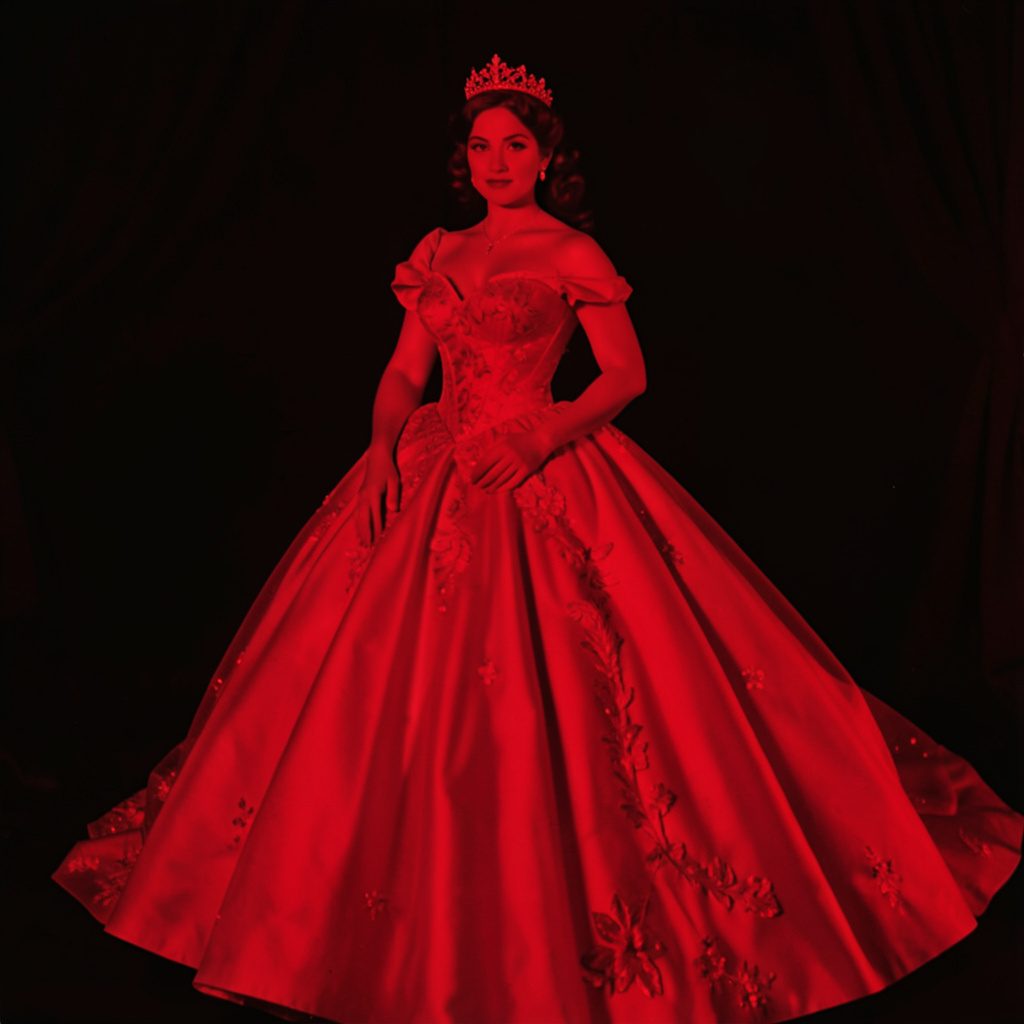
A red-carpet makeover usually presents a wider selection of gowns, hairstyles, handbags and jewellery. Players learn proportion by comparing a dramatic dress with a delicate necklace, or a simple outfit with a more noticeable accessory. The strongest look often has one main feature and supporting details that do not compete with it.
These games can also introduce the idea of a focal point. If the dress has sequins, plain shoes may create balance; if the outfit is minimalist, earrings or a colourful clutch can provide interest. This kind of decision-making connects with browsing the Australian fashion market, where shoppers compare versatile basics with trend-led pieces before deciding what deserves a place in the wardrobe.
Sustainable wardrobe challenges encourage versatility
A sustainable makeover game can limit the number of clothing items available and ask players to create several outfits from the same pieces. That restriction encourages creativity. A shirt might become part of a casual look, a work-inspired outfit or a layered weekend style depending on the trousers, shoes and accessories selected.
The exercise also introduces the value of cost per wear. A versatile jacket that works with three outfits may be more useful than a dramatic item worn once. This is a practical idea for Australian households managing clothing budgets, and it fits the growing interest in repairing, swapping and buying fewer, better-used garments. The game makes sustainability visible through experimentation rather than a lecture.
Makeover choices develop visual problem-solving
Every makeover game presents a small design problem. The player has a character, a setting and a limited collection of options, then needs to create a coherent result. That process develops comparison skills: which colours repeat well, which items create balance and which accessories make the outfit too busy?
The same problem-solving style appears in other browser games that involve selecting, arranging or serving items. For a related example, players interested in themed cooking and restaurant play can explore this food-service game guide, where timing and presentation also influence the final result. Both formats reward attention, sequencing and thoughtful choices.
Free play keeps fashion experimentation accessible
Because these makeover games run in a browser and are available without real-money gambling, players can focus on design rather than purchases or prizes. That distinction matters for parents and educators. Australian gambling regulation covers activities involving wagering and winnings, while a free dress-up game with no stake or cash payout is ordinary digital entertainment; families should still check a platform’s current terms and supervise children appropriately.
The free format also makes trial and error part of the learning process. A player can create an outfit, notice that the colours clash, change the hairstyle and try again without wasting fabric or money. The next step is simple: choose one makeover game on Friv Planet, create three outfits for different occasions and write down which colour or accessory made each look work.